• 1
  • 2
  • 3
  • 4
  • 5
  • 6
  • 7
  • 8
  • 9

Process of the Funding Requests

23 May

Submission of the funding requests to the Global Fund (GF)

24 July

The GF endorses the TRP recommendation for the Malaria/RSSH funding request to proceed to grant making.

02 Aug

The GF endorses the TRP recommendation for the HIV/TB funding request to proceed to grant making.

30 Sep

Grant documents finalized.

End Oct

Transition to new grant structures complete including anticipated closure of grants with non-continuing PRs.

Nov-Dec

Grant Approval Committee meets.


Catalytic Investments

Beyond the allocation of almost 194m USD, Ghana is eligible to have access to a stream of additional catalytic investment funding, also called matching funding. This funding stream aims to incentivize the programming and use of country allocations towards the scale up of evidence informed HIV programs for key and vulnerable populations (3.6m USD) and removing human rights barriers in access to HIV programs (2.3m USD).

To meet the conditions for catalytic investment funds, Ghana must show:

  1. An increase in the allocation amount designated to relevant catalytic investment priority areas, compared to the 2014-2016 allocation period.
  2. At minimum, this designated amount for priority areas should equal (or be more than) the amount of requested matching funds.
  3. An increase in programmatic targets and coverage as a result of the increased use of country allocations and use of matching funds. These increases must be included in the performance framework.  

Two assessments were carried out of which the findings informed the content of the catalytic investment funding request:

  1. Scope and Effectiveness of Intervention Activities among Key Populations in Ghana
  2. Baseline Assessment of Human Rights related barriers to HIV Services

The KP and HR matching funds applications were submitted to the Global Fund on September 24th, 2017. Implementation started in Quarter 3 / 2018.


The Next Generation IRS Project

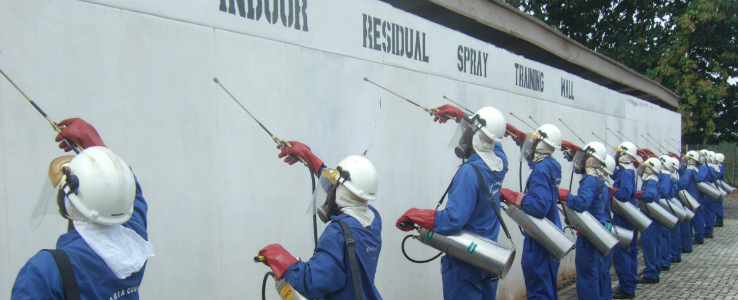
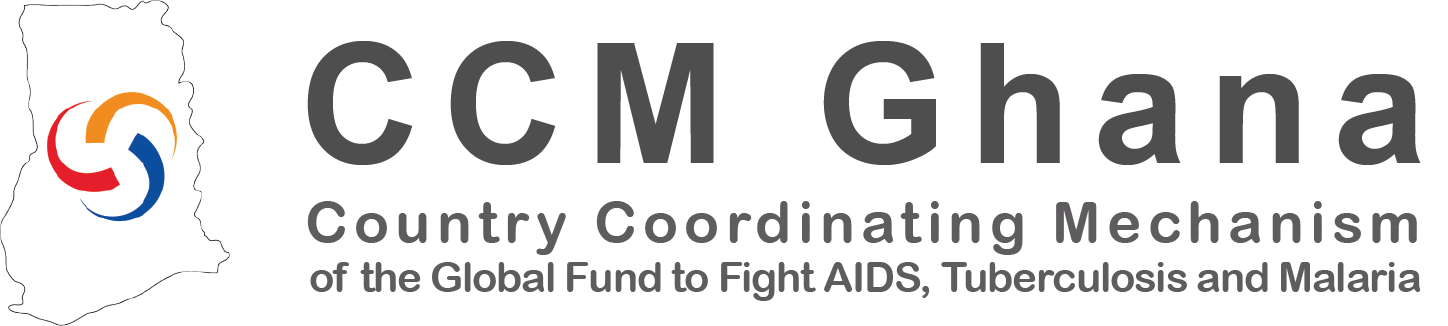
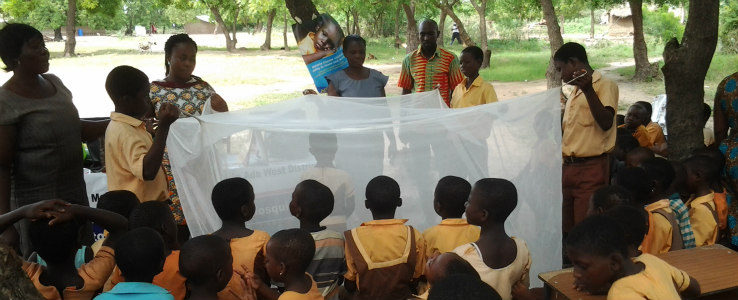
In September 2016, Anglogold Ashanti signed a Memorandum of Understanding with IVVC on the Next Generation IRS (NGenIRS) project. NGenIRS ensures the geographical expansion of Indoor Residual Spraying (IRS) in Ghana through savings from the procurement of a low cost insecticide (US$15 per bottle instead of US$24.50) offered through this project. Since 2018, a third generation IRS formulation has been provided to help AGAMal to address the emerging insecticide resistance in Obuasi.

AGAMal implements the NGenIRS project in Ghana with funding from UNITAID between 2017 and December 2019 in the following three Upper East districts (click on the map to enlarge):

  • Builsa North
  • Builsa South
  • Kassena Nankana West

The selection of the districts was based on:

  • The fact that AGAMal used to implement IRS in Upper East Region but had to pull out in 2015 due to the lack of funding
  • Proximity to current operational sites in Upper West Region
  • Savings available compared to districts’ sizes and number of structures

Global Fund News

Feed not found.