• 1
  • 2
  • 3
  • 4
  • 5
  • 6
  • 7
  • 8
  • 9

The Malaria Funding Request

All funding requests submitted to the Global Fund on the 23rd May 2017 are tailored applications, which means that they primarily describe those interventions that are subject to change while maintaining a large number of existing interventions. The malaria funding request aims at reducing:

  • Malaria parasite prevalence among children aged
    6 - 59 months from 20.4% in 2016 to 14% by 2020;
  • Inpatient malaria deaths from 4.4/1000 persons in 2016
    to 2/1000 persons by 2020

and focuses on the following: 

  1. Malaria diagnostic test rate (Microscopy & RDT) will be improved from 77% in 2016 to 100% by 2020. 84% of the case management funds will be spent for commodities as RDTs and ACTs.
  2. Private sector copayments to ensure availability of low cost ACTs in private pharmacies will be limited to rural areas only and be eventually weaned off.
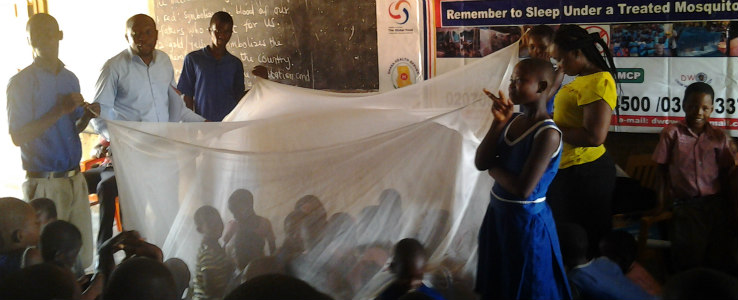
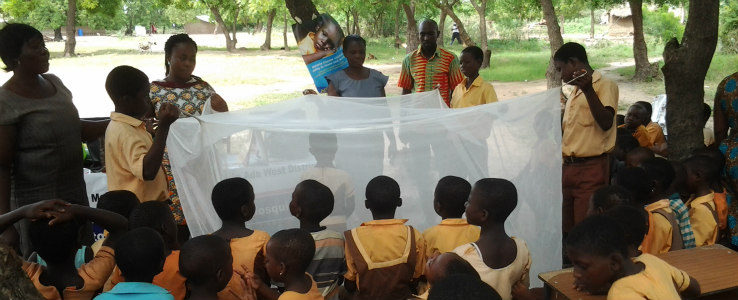
  3. Bed net mass campaign distribution will be changed from the current rolling (30 months) to one consolidated campaign (6-8 months) and be limited to regions and districts that are not covered by IRS.
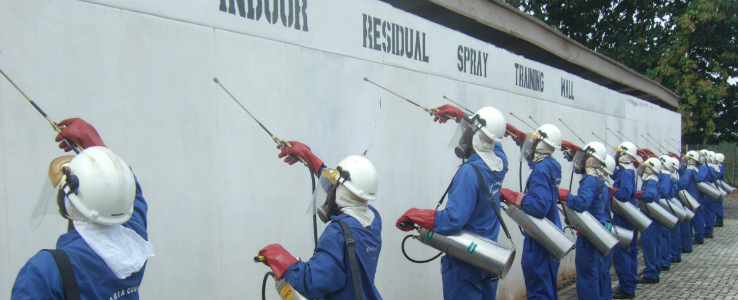
  4. IRS will be continued in 23 districts, of which 12 are supported by the Global Fund, seven by PMI and four by the NGenIRS project.
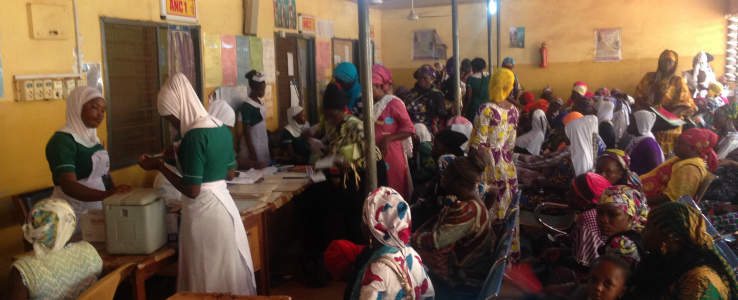
  5. A significant scale up is planned for the coverage of pregnant women through IPTp. The proportion of pregnant women attending antenatal clinics who receive three or more doses will increase from 36.4% (2016) to 61% by 2020.
  6. SMC will be maintained in Upper East and Upper West Regions. If additional funds become available, it is proposed to expand coverage to Northern Region (Prioritized Above Allocation Request)
Implementation arrangements


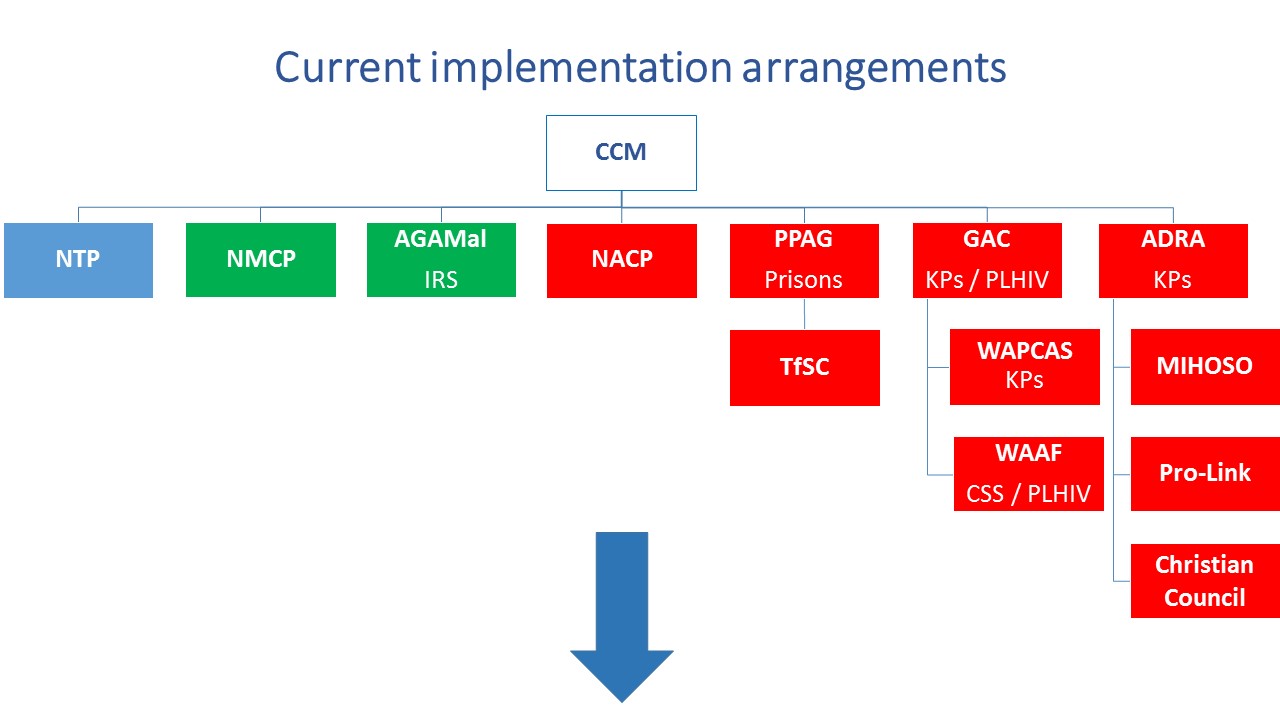
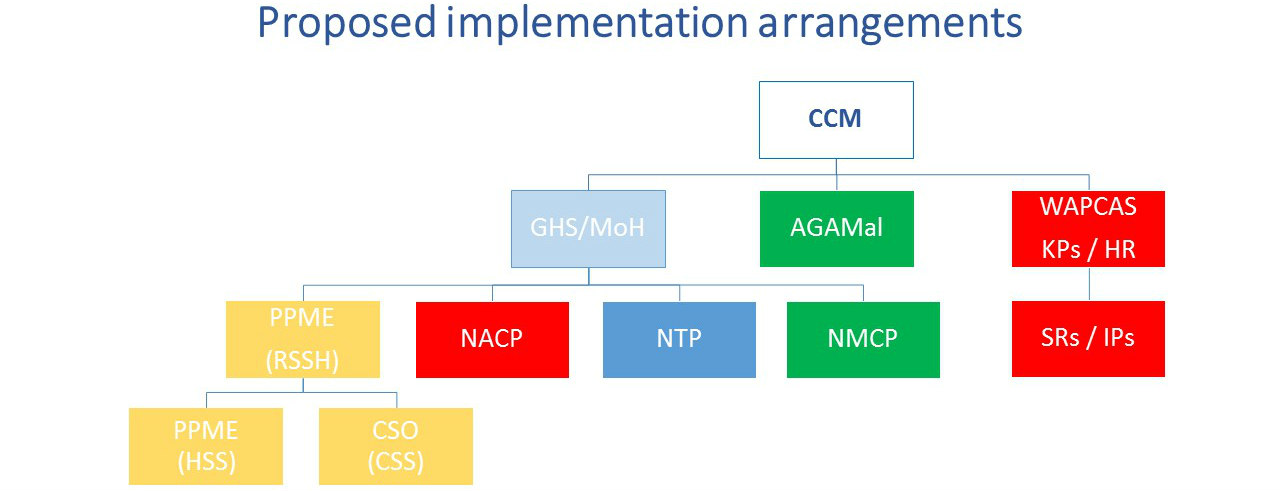
While reducing the number of PRs from seven to three, there will be only minimal modifications to the current governance and managerial structures.

Ministry of Health/Ghana Health Service will coordinate as a PR the National Disease Programs NMCP, NACP and NTP through the Program Coordination Unit (PCU) under the Office of the Director General of GHS. MOH coordinates at strategic level whilst GHS is in charge of the operational level.

This arrangement is expected to correct poor coordination of the three programmes, challenges with the timely availability of health products, slow implementation of activities, absorption of funds, and weak communication at all levels of the health system. The PCU will also manage PPME as an SR for the RSSH component. While currently all HSS interventions are spread out across three grants, their aggregation is anticipated to facilitate the overview on the interventions and budgets and enhance accountability. PPME will coordinate both HSS and CSS to ensure complementarity.

The number of HIV PRs has been reduced from four to two following a recommendation from the Task Team and considering the relatively small budget for key populations. WAPCAS, a local NGO that is currently implementing the KP component under Ghana AIDS Commission as an SR, will solely implement the KP component covering all targeted KP groups.

AGAMal will continue to implement the IRS component of the malaria program as a PR.

Budget Split

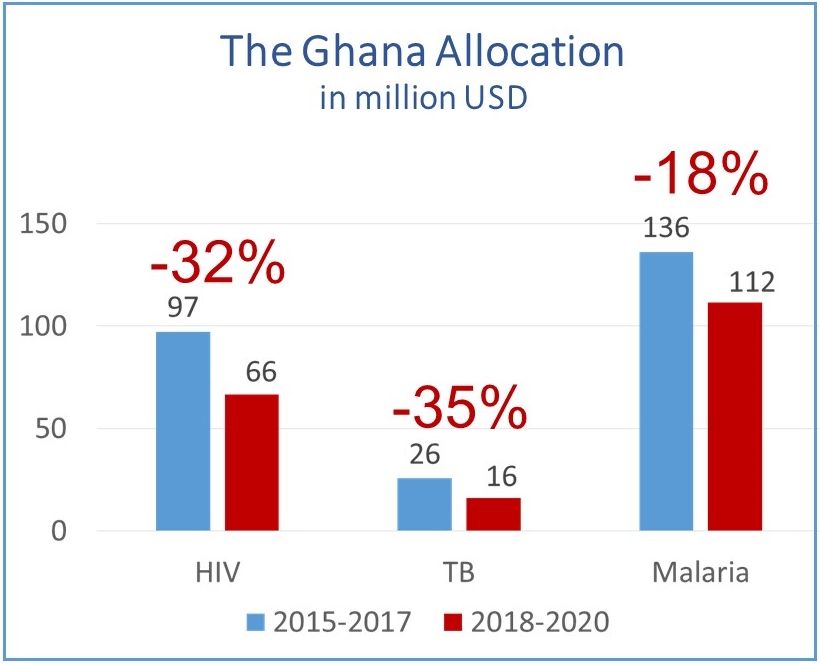
In the allocation letter, the Global Fund proposed the following budget split that was subject to CCM decision making:

According to this indicative budget split, the three disease components were affected by the 22% reduction in the total allocation to varying degrees. During the country dialogues, each disease component communicated financial needs similar to the current budgets in order to achieve the anticipated impact in the 2018-2020 implementation period.

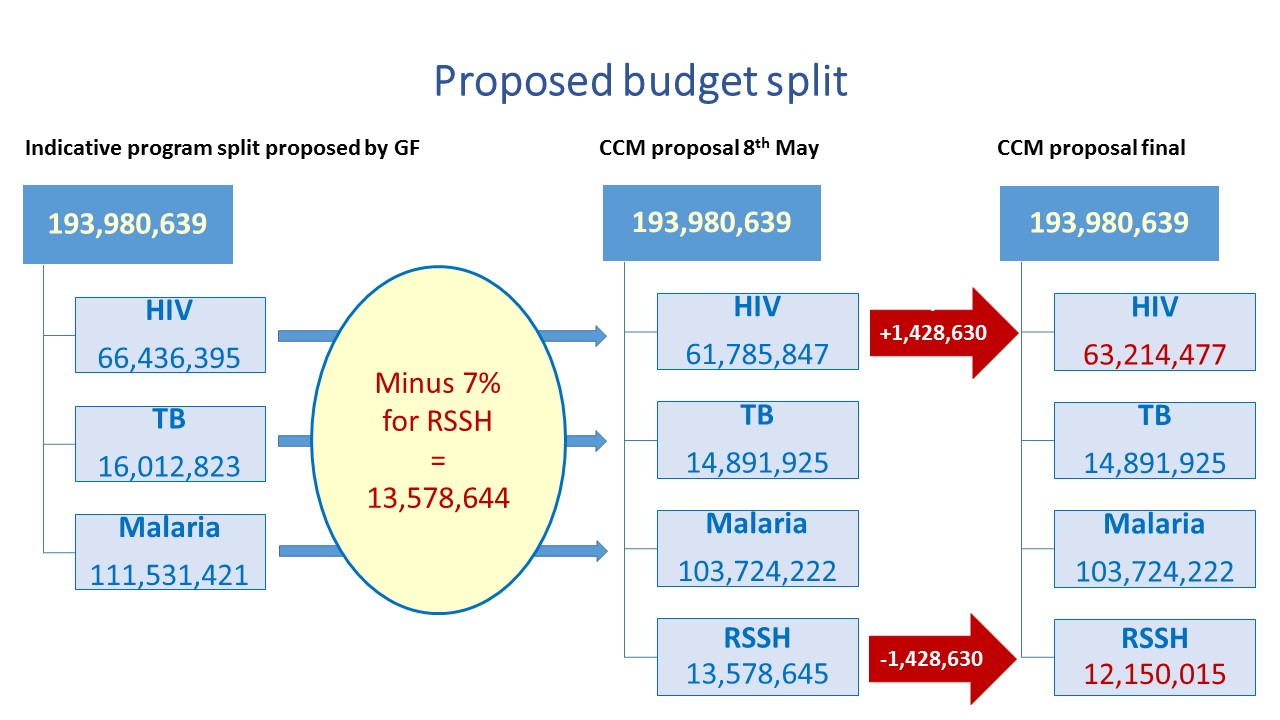
The CCM decided initially to maintain the proposed budget split but to deduct 7% from each component to accommodate a budget of $13,578,645 for RSSH. Due to the need to cover ARVs for additional 7000 people living with HIV, $1,428,630 were ultimately shifted from RSSH to HIV:

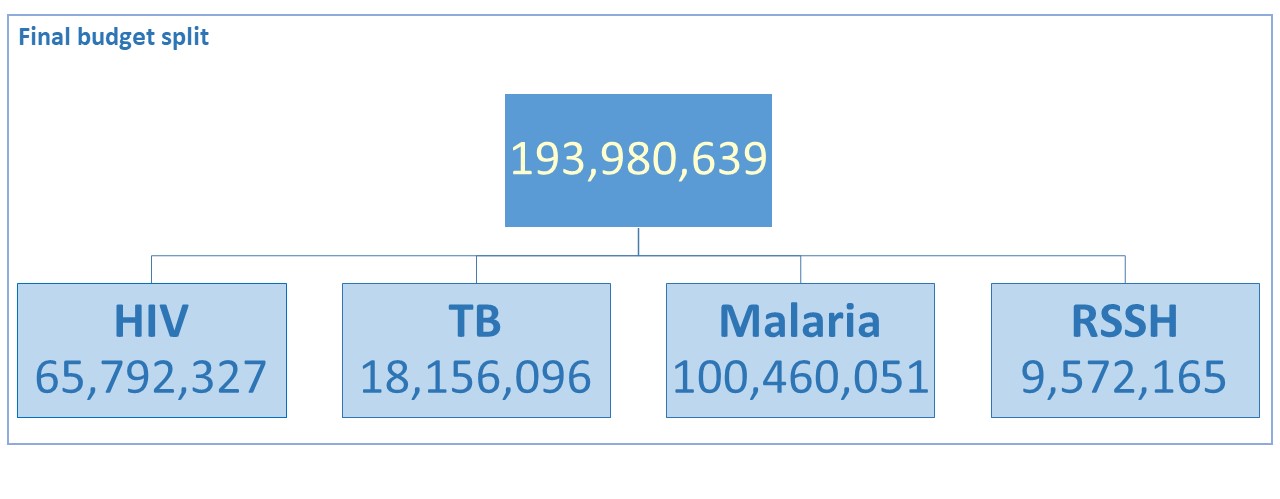
In the course of grant making, the CCM for strategic reasons agreed to move US$2,577,850 allocated in the RSSH grant for CSS to the HIV grant.

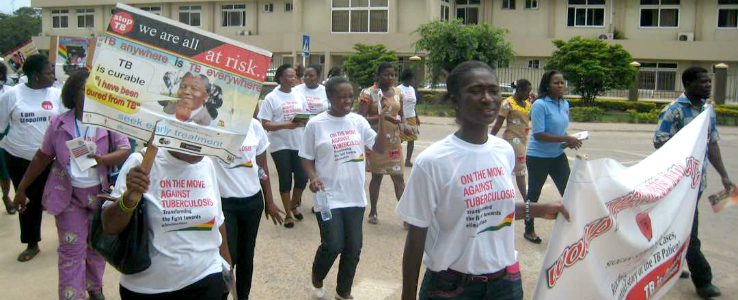
Furthermore, US$3,264,171 were identified as savings in the malaria budget. The Executive Committee of the CCM has taken the decision to allocate these savings to the TB program to support intensive case finding (ICF) with an emphasis on community involvement. This decision is based on the fact that Ghana ranks second lowest in TB case detection in Africa as well as considering that the TB funding gap is the highest for the three diseases. The allocation of the savings to the TB program is expected to cover 60% of the gap in the ICF program and to expand district coverage across the country. 

The new budget split is confirmed as follows:


Global Fund News

Feed not found.